
A Simple Look at Ocean Currents
25 Jul, 2026
Level: Intermediate
Total vocabularies: 144
Minutes to read: 2
Topic: The Ocean
You can click on the Play game and explore button below to learn more interesting knowledge.
A current is a large, flowing movement of water that travels in a regular path through the ocean.
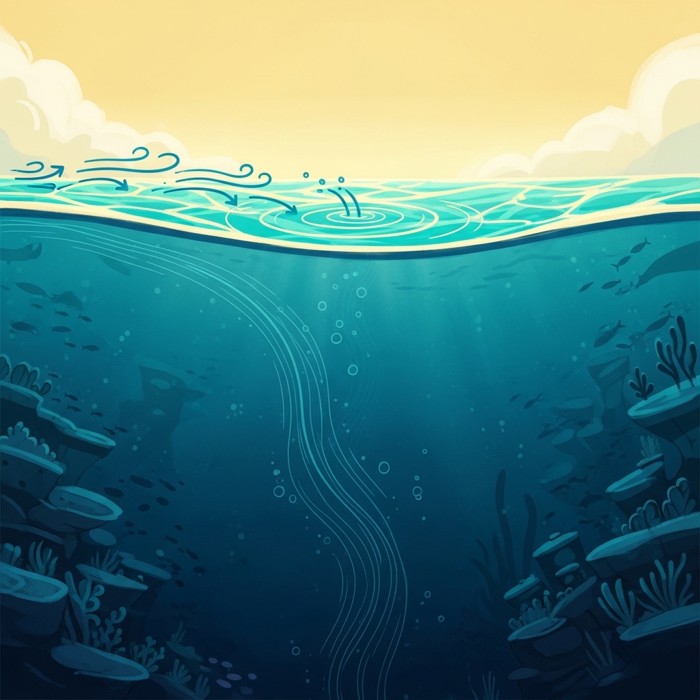
Surface currents are driven by wind, while deep currents are driven by temperature and salt differences.
Wind pushes the top layer of the ocean, creating surface currents that circle around each ocean basin.
Deep currents form when cold, salty water sinks to the ocean floor and slowly flows toward warmer regions.
Together, surface and deep currents create a global movement of water called the thermohaline circulation .
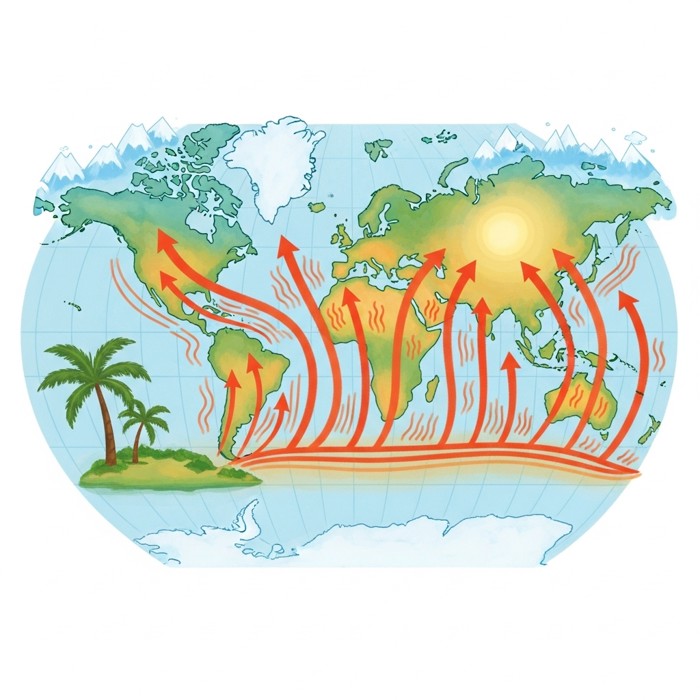
The Gulf Stream is a well-known current that keeps Western Europe much warmer than it would otherwise be.
Currents carry nutrients from the deep ocean to the surface , where fish and sea creatures can feed.
Without these flows, many ocean areas would lack enough food to support much life.
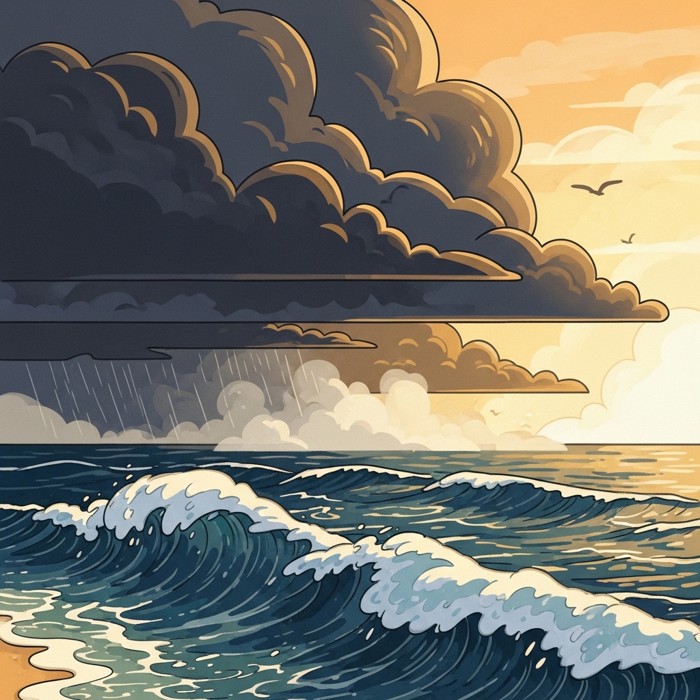
Currents affect weather patterns on land, influencing rainfall, temperature , and even the strength of storms.
However, climate change is slowing some currents by melting ice and reducing salt differences in the ocean.
A weaker circulation system could bring colder winters to some regions and disrupt fish populations across the globe.
Scientists are watching these changes carefully, because what happens in the ocean does not stay in the ocean.